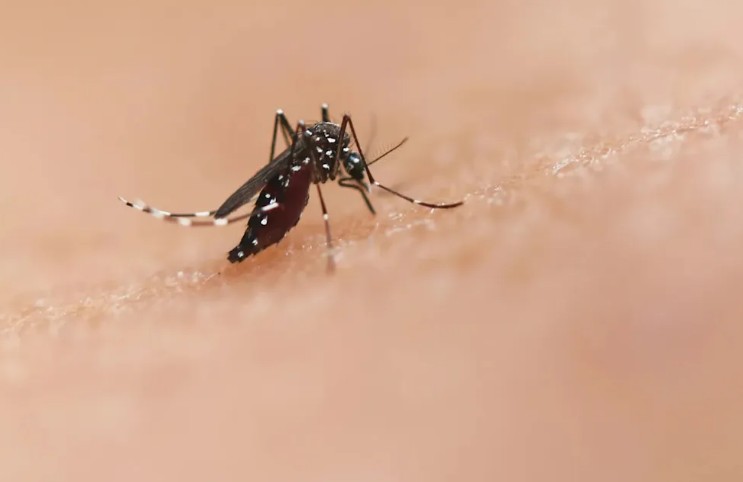
Google is seeking federal approval to release 32 million treated mosquitoes across California and Florida over two years to help reduce mosquito-borne diseases through innovative biological control methods.
A new mosquito-control initiative backed by Google could soon become one of the largest public health experiments ever conducted in the United States. The technology giant is seeking federal approval to release up to 32 million specially treated mosquitoes across California and Florida over the next two years in an effort to curb the spread of mosquito-borne diseases.
The proposal has attracted attention from public health experts, environmental groups, and local communities as regulators evaluate the potential benefits and risks of the large-scale project.
Table of Contents
Massive Mosquito Release Planned
Under the proposal, as many as 32 million mosquitoes would be released in selected areas of California and Florida. Rather than a single large-scale deployment, the insects would be introduced gradually through multiple phases, allowing researchers to monitor results and make adjustments if necessary.
Both California and Florida experience significant mosquito activity every year, making them ideal locations for testing advanced disease-control strategies. Officials would focus on regions where mosquito-borne illnesses remain a recurring concern.
How the Treated Mosquitoes Work
The mosquitoes involved in the project have been specially treated to reduce their ability to spread disease and reproduce effectively. Scientists have increasingly explored biological control methods as an alternative to traditional chemical pesticides.
The primary objective is to disrupt mosquito breeding cycles and gradually reduce populations capable of transmitting harmful diseases. By lowering the number of disease-carrying mosquitoes, researchers hope to decrease the risk of outbreaks while minimizing environmental impact.
Experts say such approaches could provide a more sustainable long-term solution compared to repeated pesticide spraying, which can sometimes affect other insects and ecosystems.
Federal Review Required Before Launch
Before any mosquito releases can begin, the project must receive approval from federal regulators. Authorities will carefully examine safety studies, environmental impact assessments, and monitoring plans submitted as part of the application.
Regulators are expected to evaluate whether the benefits of reducing disease transmission outweigh potential environmental concerns. The review process will also consider possible effects on local ecosystems and non-target species.
If approved, the program would proceed over a two-year period with regular checkpoints to assess effectiveness and safety.
What Residents Can Expect
For most residents, the releases would likely go unnoticed. The mosquitoes would be introduced in specific locations under controlled conditions and subject to ongoing oversight by public health and environmental agencies.
Researchers emphasize that the project is designed to complement existing mosquito-control efforts rather than replace them entirely. Traditional measures such as removing standing water, habitat management, and public awareness campaigns would continue to play an important role.
A New Frontier in Disease Prevention
The proposal highlights the growing role of technology and biotechnology in addressing public health challenges. As mosquito-borne diseases continue to threaten communities worldwide, scientists are searching for innovative solutions that are both effective and environmentally responsible.
The results of this initiative could help shape future mosquito-control programs across the United States and beyond. Whether the project ultimately moves forward now depends on the outcome of the federal review process.
For now, California and Florida remain at the center of a potentially groundbreaking effort that could redefine how mosquito-borne diseases are managed in the years ahead.